Three-day program focused on equity, gender and Indigenous partnerships in health research
SOURCE: The Institute
September 22, 2025
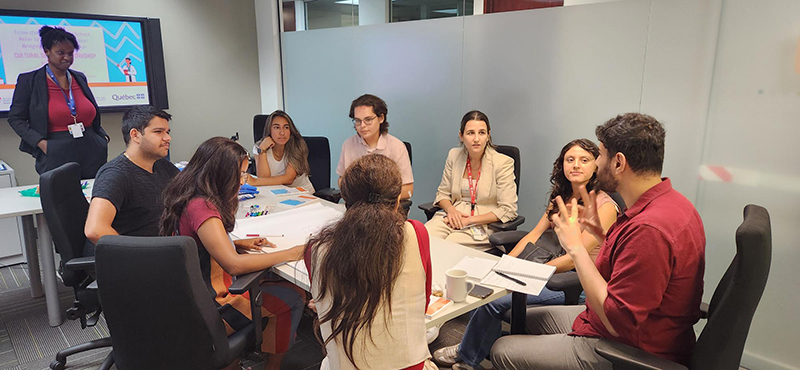
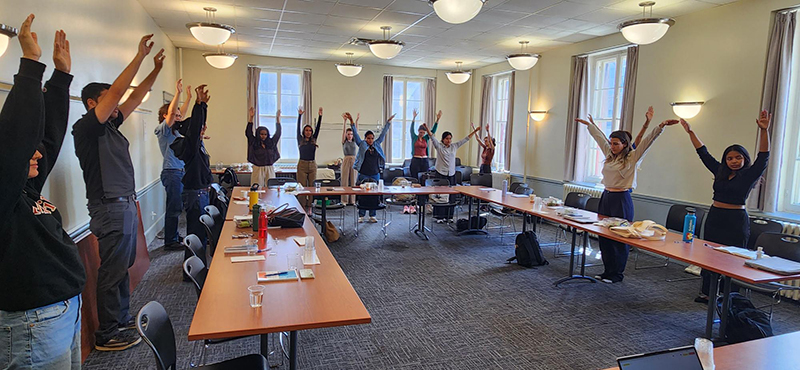
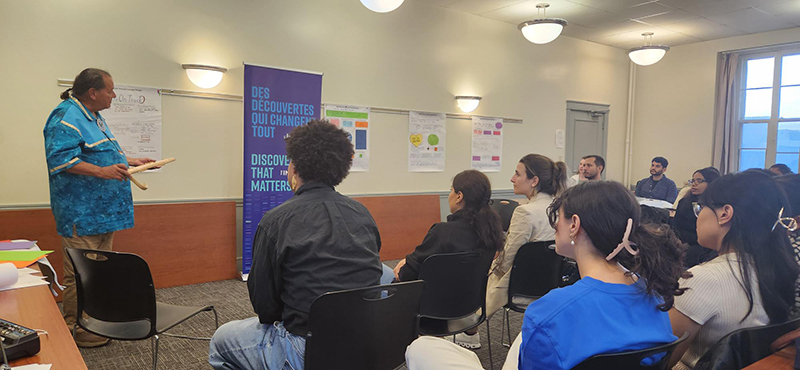
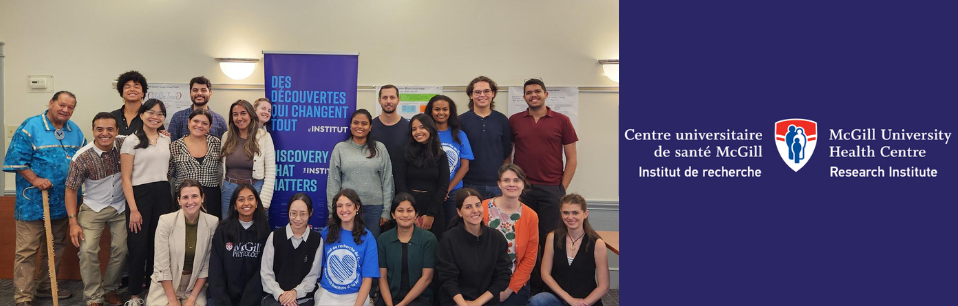
From August 25 to 28, the Research Institute of the McGill University Health Centre (The Institute) hosted the Integral Mentorship for Inclusive Science (Mentorat intégral pour la science inclusive, MISI) Summer School: Bridging Science and Inclusion, a three-day series dedicated to advancing inclusive research practices. Organized by the Equity, Diversity and Inclusion (EDI) and Desjardins Centre for Advanced Training (DCAT) teams at The Institute, the program created a space for researchers, trainees and community members to explore how health research can be more inclusive, equitable and respectful of diverse perspectives.
MISI was conceived with a clear goal: to increase the participation and success of women, Indigenous and racialized students in health research training. By sharing knowledge and lived experiences, organizers sought to give participants inspiration and practical strategies for transforming their own research environments. Sessions were open to the entire Institute community, reinforcing the idea that inclusive science benefits everyone and requires collective effort.
"The MISI program creates space for dialogue, growth and the exchange of ideas that challenge and inspire. It brings together researchers and knowledge keepers with a shared commitment to making health research more inclusive and impactful," said Dr. Rhian Touyz, Executive Director and Chief Scientific Officer of The Institute.
Grounding in Indigenous Knowledge and Allyship
The summer school opened with a guided tour of the McCord Museum's Indigenous Voices of Today exhibit, followed by the workshop My Allyship in Action Toward Indigenous Nations. These activities prompted participants to reflect on their own identities and responsibilities. "Reciprocity in research is critical... everyone has a story sometimes marked by generational trauma. Some people may not want to participate in your research—this is very important to acknowledge," noted Jessica Patone, trainee in the Cardiovascular Health Across the Lifespan program.
Alex McComber, Director of the Quebec Indigenous Mentorship Network at McGill University, led a discussion about How to Decolonize and Indigenize Your Research Practice, urging participants to build respectful partnerships and transform approaches to better serve Indigenous communities. Elder Otsi'tsaken:ra (Charlie) Patton of Kahnawa:ke offered words of reflection, reminding attendees of their responsibilities as researchers.
Women in Science and Intersectional Approaches
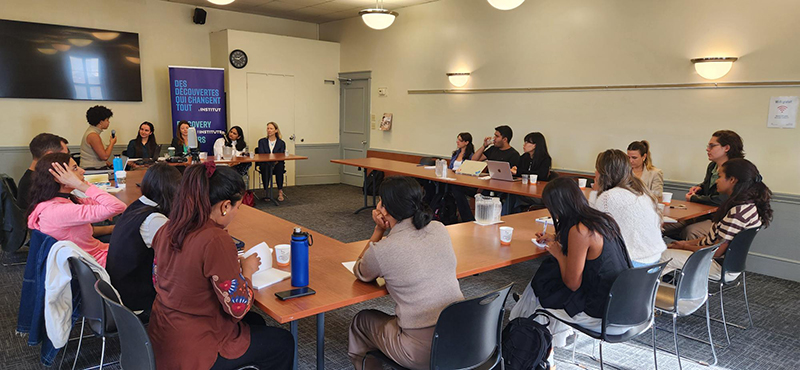
Day two featured a round table discussion called Breaking Barriers: Women's Journeys in Science, with Aliona Fezoua of Merck Canada alongside Institute researchers Nitika Pai, MD, PhD, Julia Burnier, PhD and Tania Janaudis Ferreira, PhD. They shared stories of resilience and the structural barriers women continue to face. "It was so powerful to see women scientists sharing openly about setbacks," said Naiya Patel, trainee in the Child Health and Human Development program.
That afternoon, Robert-Paul Juster, assistant professor in the department of Psychiatry and Addictology from Université de Montréal presented Making Your Research Intersectional and Participatory, highlighting how identity factors such as gender, orientation, and socioeconomic background shape health outcomes and research relevance. His session offered practical guidance on integrating intersectional perspectives into study design.
Ethics and Practice
The final day focused on ethical research with Indigenous communities. The Indigenous Health Centre of Tiohtià:ke delivered Research with Respect: Indigenous Cultural Safety, emphasizing humility and respect. The Cree Board of Health and Social Services of James Bay (CBHSSJB) followed with Building Partnerships with Eeyou/Eenou (Cree) Communities, stressing trust, reciprocity and long-term engagement. As one master's student in rehabilitation science observed: "Do things with people and not on behalf of them... these inclusive processes should be mandatory."
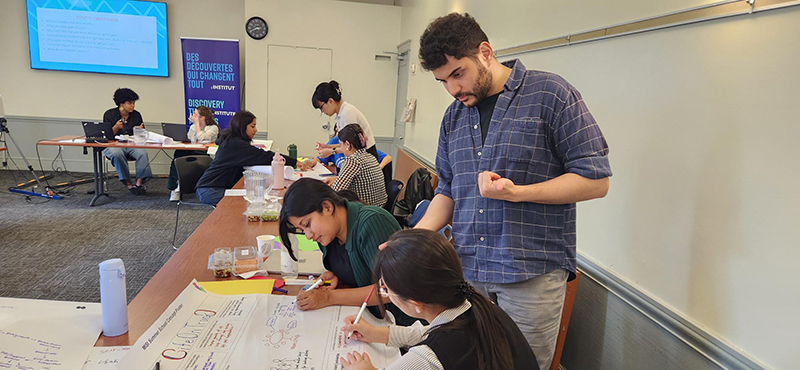
Workshops complemented these sessions, with trainees designing projects ranging from digital applications to connect caregivers with families to online platforms to link scientists with community partners. These exercises pushed participants to translate inclusive research principles into practical solutions.
Lasting Impact
Summer school participants confirmed that the event left them inspired, equipped with concrete strategies and committed to applying inclusive practices in their research. The MISI trainees will now begin mentorship processes with leaders from academic, industry and community sectors.
The MISI Project is funded by the Quebec Ministry of Economy, Innovation and Energy's NovaScience program, which supports initiatives fostering scientific culture, integrating emerging scientists into the workforce, and nurturing innovation.
A special thank you goes to our EDI team members Anick Jasmin, Diego Herrera and Aurore Palanque, along with our DCAT team Ariel De Roo and Emily Bell, for their hard work in making this project possible.