
New work led by Julia Burnier proposes a patient-partnered framework for more inclusive scientific language in cancer research
SOURCE: Research Institute of the McGill University Health Centre (The Institute)
August 19, 2025
In a new commentary published in the Journal of Clinical Oncology, cancer researcher Julia Burnier, PhD, shares the work of a national group she founded, bringing together scientists, clinicians, patient partners and advocates to rethink how language is used in cancer research communication.
The article, titled "Reading the Room," outlines how common scientific phrases—such as "the patient failed treatment" or "obese patients"—can unintentionally place blame on individuals or reduce them to their medical condition. These terms, the authors argue, not only alienate patients from the research that affects them but can also reinforce stigma, distress and disengagement from care.
"Our goal is to encourage reflection, not to criticize," says Prof. Burnier, a scientist in the Cancer Research Program at The Institute. "As more people with lived cancer experience engage with scientific publications, it's time for us to think more carefully about the impact of our words."
A collaboration rooted in lived experience
As science becomes more accessible through open publishing and digital platforms, patients and caregivers are increasingly part of the audience. Their engagement is now more widely recognized more often as essential to research, yet much of the language used in scientific writing remains technical, emotionally distant or even unintentionally hurtful. Burnier underscores that inclusivity is not only a matter of compassion, but also a means of strengthening research itself—because patients bring insights that can improve how studies are designed, conducted and communicated.
Unlike prior guidelines developed solely by clinicians or professional societies, this collaborative effort directly integrates the voices and insights of people with lived and living experience of cancer—marking a shift toward true patient partnership in scientific writing.
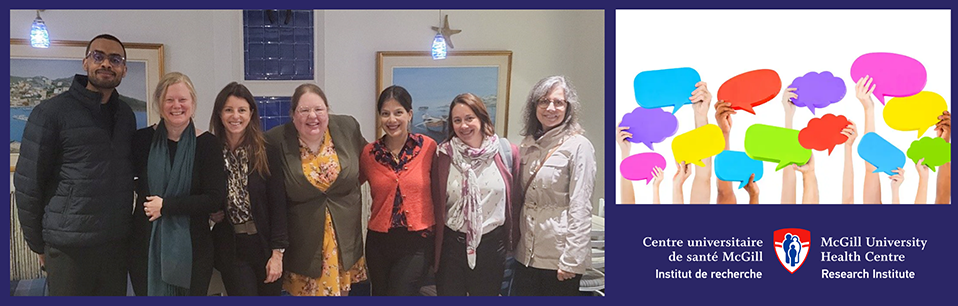
The work was co-created by a team of five scientists and clinicians with seven patient partners or advocates across five Canadian provinces. Together, they reviewed real-world examples of scientific writing and developed a framework to guide more compassionate, inclusive and accurate communication. The group met monthly to reflect on language that may be experienced as blaming, dehumanizing or reductive.
The group highlights that changes in language—such as replacing "treatment failure" with "the treatment was not effective," or using "person with smoking history" instead of "smoker"—can have a profound impact. Inclusive language helps foster trust, reduce stigma and support better engagement with science and care.
This call to action is aimed at researchers, journal editors and scientific communicators—but ultimately, the impact is on patients and families, who may feel more seen and heard in research that reflects both their experiences and their dignity.
From awareness to action
The article acknowledges the challenges scientists face, including space limitations in journals and the pressures of precision. But the authors argue that the ethical value of inclusive language outweighs the inconvenience—and that thoughtful language can help build a more welcoming scientific culture.
"By choosing our words more carefully, we can make science more inclusive, more respectful and ultimately more effective," says Prof. Burnier.
Related news
Julia Burnier: Engaging patients in research
McGill researcher shares 2019 Canadian Cancer Research Conference experience