THE INSTITUTE ANNUAL REPORT 2025
EQUITY, DIVERSITY AND INCLUSION (EDI) INITIATIVES
REPRESENTING AND RESPONDING TO THE POPULATION’S REALITIES
RESEARCHERS RECOGNIZED FOR ADVANCING EDI
EDI EVENTS AND ORGANIZATIONAL INITIATIVES
REPRESENTING AND RESPONDING TO THE POPULATION'S REALITIES
Research excellence must be rooted in the realities of the diversity of the populations served. The Institute's EDI initiatives align with the organization's 2030 Vision to ensure that research reflects the lived experiences, health needs and priorities of people in Montreal, Quebec, and beyond. In 2024–2025, several key initiatives advanced this commitment.
Community Engagement and Partnerships
To better understand barriers to health equity and co-develop research priorities, The Institute collaborated with community organizations, including:
- Aim Croit
- Moelle épinière et motricité Québec
- Le ROSEPH
- The Canadian Centre for Diversity and Inclusion
- Indigenous Works
- The Cree Board of Health and Social Services of James Bay
- The Indigenous Health Center of Tiotià:ke
- The Black Community Resource Centre
In partnership with the MUHC, The Institute also created an Action Plan for People with Disabilities, which was recognized by the Office des personnes handicapées du Québec (OPHQ) for its quality, thoroughness and commitment to reducing barriers.

With the support of its foundations, The Institute provided financial support to 14 research trainees who have faced barriers in their careers as members of racialized groups, via the 2024 EDI Awards for Academic Excellence.
Inclusive Research Design
As outlined in The Institute's EDI Action Plan and Policy, inclusive research is designed to support and integrate participants and team members from equity-seeking groups, including women, Indigenous people, persons with disabilities, racialized groups, 2SLGBTQIA+ communities and members of ethnic minorities.

In 2024–2025, 20 projects received support from The Institute's EDI specialist in inclusive research design, including:
- Canada Excellence Research Chairs (Metabolism and the Brain, and Lung Regenerative Medicine)
- Accelerating Clinical Trials consortium
- CFI grant proposals
- Studies on tuberculosis, cancer treatments and detection, HPV and women in healthcare research
Training and Awareness
In 2024-2025, The Institute delivered a broad range of training activities in EDI— from workshops and events to committees and media outreach — reaching more than 500 participants. A new series of in-person and online workshops provided practical tools to integrate the principles of equity, diversity and inclusion into research administration, methodology, planning, and interpretation. Topics included:
- Recruitment of Indigenous candidates
- Let's Be Allies training
- A guide for integrating SGBA+ approaches in research
- Neurodiversity in the workplace
- Embedding EDI in research design and teams
- Recruiting and retaining people with disabilities
- Supporting an employee's gender transition
- Using the personalized EDI Resource Tool
- Anti-racist practices
- Building inclusive research environments through lab manuals
Learn more about equity, diversity and inclusion (EDI) at The Institute.
RESEARCHERS RECOGNIZED FOR ADVANCING EDI
Our researchers were recognized this year for advancing equity, diversity and inclusion while pursuing research excellence. Some of these achievements include:
A $200K grant to support inclusive science and mentorship
New funds will empower women and Indigenous trainees through mentorship, scholarships, and community-focused research
Indigenous women lead new HIV research and community wellness initiatives
New funding supports Indigenous-led engagement to advance HIV and STBBI wellness
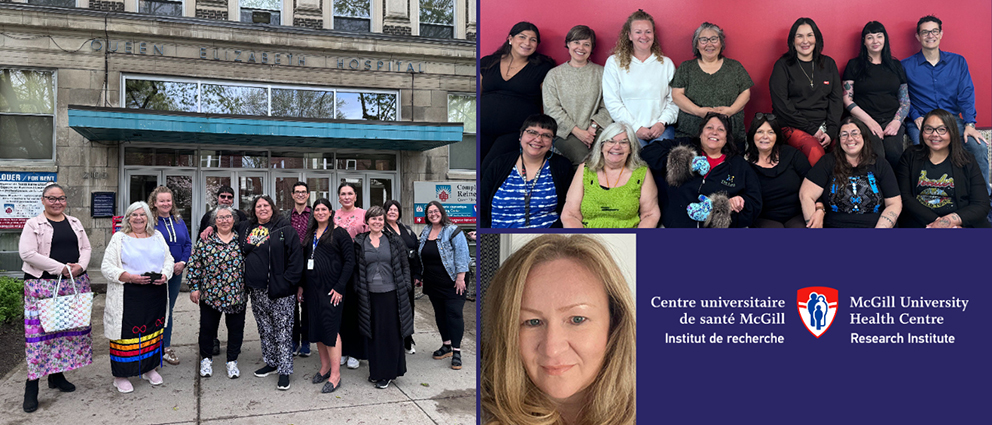
Romina Pace: Bringing healthcare closer to home in Kahnawá:ke
Improving Access and Building Trust in Indigenous Healthcare
EDI EVENTS AND ORGANIZATIONAL INITIATIVES
From cultural celebrations to institutional milestones, this year's EDI events highlighted the diverse communities that contribute to the vitality of The Institute and the advancement of its mission.
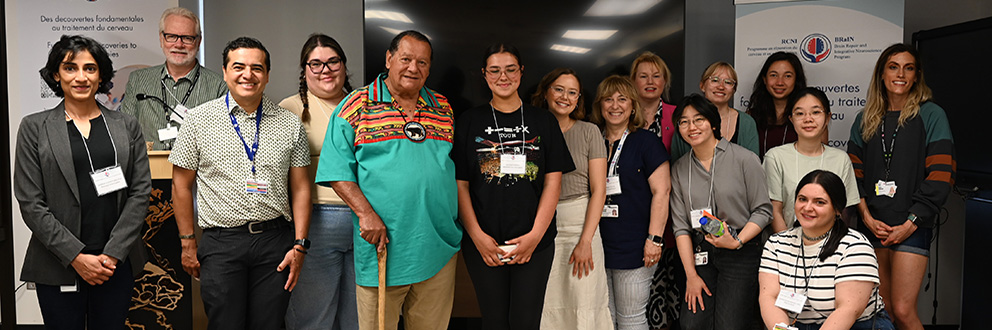
An invitation to innovation for Indigenous neuroscience students
The BRaIN Neuroscience Retreat at The Institute offered a preview of a diverse and dynamic scientific landscape
Focus on mental health: Transformative RI-MUHC event offered insights and meditation
Expert talks on mental health as well as practical meditation sessions empowered attendees to enhance their well-being amidst daily challenges
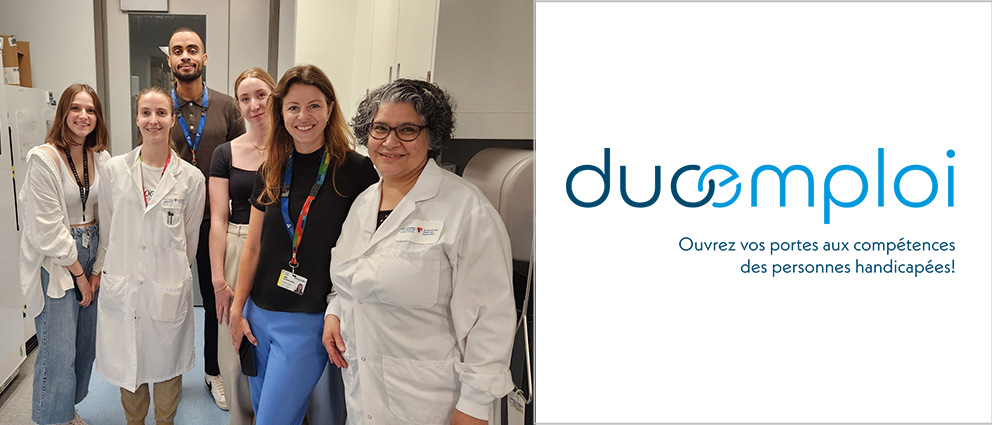
The Institute embraces inclusivity with Duo Emploi Internship Program
For the second year in a row, researchers, trainees and staff welcomed interns with disabilities, fostering an inclusive environment through hands-on experiences and valuable feedback
Promoting inclusivity of Indigenous communities in research
The Institute's EDI team hosted three key events for Truth and Reconciliation month to promote inclusivity for Indigenous communities in research
A wonderful afternoon of Inuit art
The BRaIN EDI Committee hosted a special event designed to foster equity, diversity, and inclusion within the neuroscience community
Advancing Equity in Research
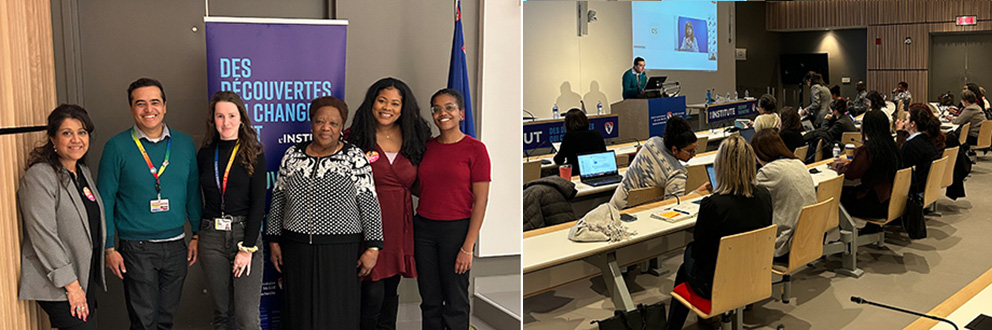
For Black History Month, patient partners, community actors, academics, and clinicians gathered at The Institute to address racism