
MeDiC Program trainees honoured with awards and fellowships for innovative contributions
Source: The Institute
July 31, 2025
The Research Institute of the McGill University Health Centre (The Institute) is proud to highlight the recent successes of several trainees from the Metabolic Disorders and Complications (MeDiC) Program. These early-career scientists have been recognized with awards, scholarships, and distinctions for their promising research in aging, muscle health, metabolism, and neurodegeneration.
"No matter how big or small, these recognitions are an important part of our students' training journey", says MeDiC program manager Lenka Schorova, PhD, M.Sc. "It is a privilege to support the next generation of scientists and celebrate their achievements along the way. The talent we have here is truly exceptional — and it is inspiring to see it thrive. Congratulations to all!"
The following trainees exemplify the excellence and diversity of research underway in MeDiC-affiliated labs:
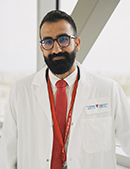
Guy Hajj-Boutros, a PhD graduate student in the lab of José Morais, MD, was recognized for his publication in The Journal of Physiology examining the effects of bed rest on mitochondrial function and muscle mass in older adults. His study demonstrated that a supine exercise countermeasure could mitigate many of the adverse effects of inactivity. Receiving this award is, in his view, a powerful motivator to continue translating mechanistic research into practical strategies for healthy aging.

Sarkis Hannaian, a PhD graduate student in the lab of Tyler Churchward-Venne, PhD, received an award for his research investigating how oral ketone supplementation influences protein synthesis in human skeletal muscle. His study published in The American Journal of Physiology‑Cell Physiology, using advanced imaging and biopsy techniques, revealed how ketones affect intracellular growth signals. For Sarkis Hannaian, the recognition highlights the importance of linking fundamental discoveries to real-world interventions that support muscle preservation and function.
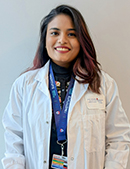
Maisha Maliha Promi, a PhD graduate student in the lab of Jeremy Van Raamsdonk, PhD, M.Sc, received the FRQS Doctoral Award for her work using C. elegans to study how lifespan-extending compounds may protect against neurodegeneration in diseases such as Parkinson's and Alzheimer's. This award, she notes, affirms the significance of her research direction and strengthens her commitment to identifying therapeutic strategies with translational impact.

Suleima Jacob-Tomas, a PhD graduate student also in the lab of Jeremy Van Raamsdonk, PhD, M.Sc., was awarded an FRQS Doctoral Scholarship for her investigation of the molecular mechanisms of aging. Her research aims to uncover biological targets that could mitigate age-related conditions. The fellowship, according to Suleima Jacob-Tomas, is an essential source of support that allows her to pursue scientific research at the doctoral level with continued focus and dedication.

Cecilia Carolina Hes, a PhD graduate student in the lab of Paul Sabatini, PhD, received an FRQS Doctoral Scholarship for her project exploring how the cytokine GDF15 contributes to anorexia and cancer cachexia by modulating brainstem neurons and neurocircuits involved in appetite regulation. For Cecilia Carolina Hes, this recognition affirms her longstanding commitment to conducting research that meaningfully addresses the needs of people affected by cancer.
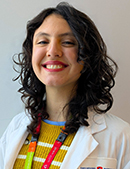
Aura Andrea Tamez González, a PhD graduate student in the lab of Jeremy Van Raamsdonk, PhD, M.Sc., was honoured with the MeDiC Best Journal Club Presentation Award for her review of a study on IL-11 signaling and its role in extending mammalian healthspan and lifespan. She emphasized the importance of journal clubs in shaping her academic development, and sees this award as encouragement to continue strengthening her analytical and communication skills within the scientific community.

Yi Yvonne Jin, an MSc graduate in the lab of Sergio Burgos, PhD, received the Best Journal Club Presentation Award for her discussion of a Nature Metabolism study linking a lactase gene variant to milk intake and type 2 diabetes risk. Her selected the paper for its broad relevance and methodological rigour, and regards this recognition as a valuable affirmation of her commitment to scientific clarity and critical thinking.
We extend our congratulations to all of these exceptional trainees for their recent achievements. Their work underscores the MeDiC Program's ongoing commitment to training the next generation of health researchers and advancing discovery at the intersection of metabolism, aging, and disease.